Enjoy Free Shipping & 30-Day Risk-Free Returns* Sitewide
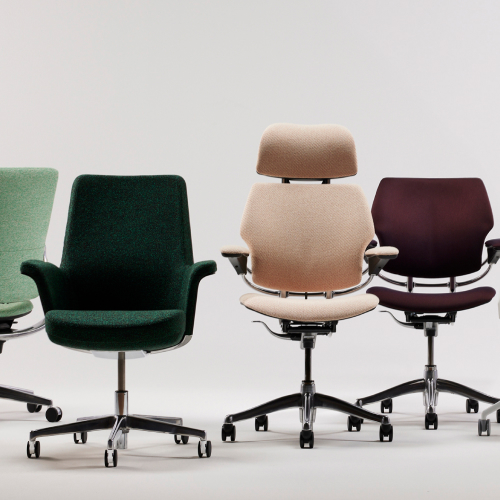
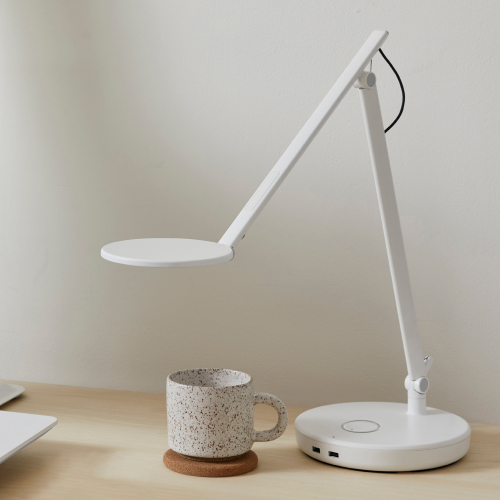
Humanscale’s best-selling home office furniture is selected for ergonomic performance, comfort, and proven reliability. This collection features top-rated, most comfortable designs trusted by professionals working from home.
Starting at
£1328
Starting at
£1131
Starting at
£1042
Starting at
£587
Starting at
£549
Starting at
£314.74Starting at
£282Starting at
£466
Starting at
£220Starting at
£634
Starting at
£572
Starting at
£110
Starting at
£142Designing an effective home office involves more than selecting individual pieces of home office furniture—it requires understanding how furniture, posture, and movement work together. The following guides explore key ergonomic principles that support comfort, circulation, and productivity, helping you make informed decisions when selecting ergonomic home office furniture, home office desks, and home office chairs for a healthier work-from-home setup.
A well-designed ergonomic home office furniture setup supports comfort, posture, and sustained focus over long periods of work. Poor layout and mismatched furniture can contribute to neck strain, back discomfort, and reduced circulation, even when working from home.
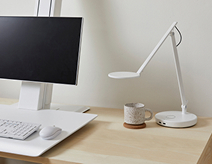
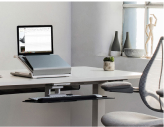
When building a home office, look for ergonomic furniture for home office use that supports adjustability and flexibility. A properly configured home office desk should allow for correct screen height and elbow positioning, while seating and accessories should adapt naturally to the user’s body rather than forcing static postures.
Read the full guide: How to Set Up an Ergonomically Designed Workstation at Home
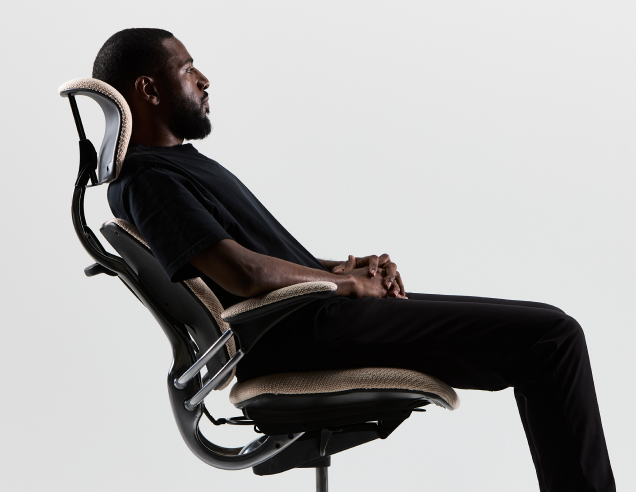
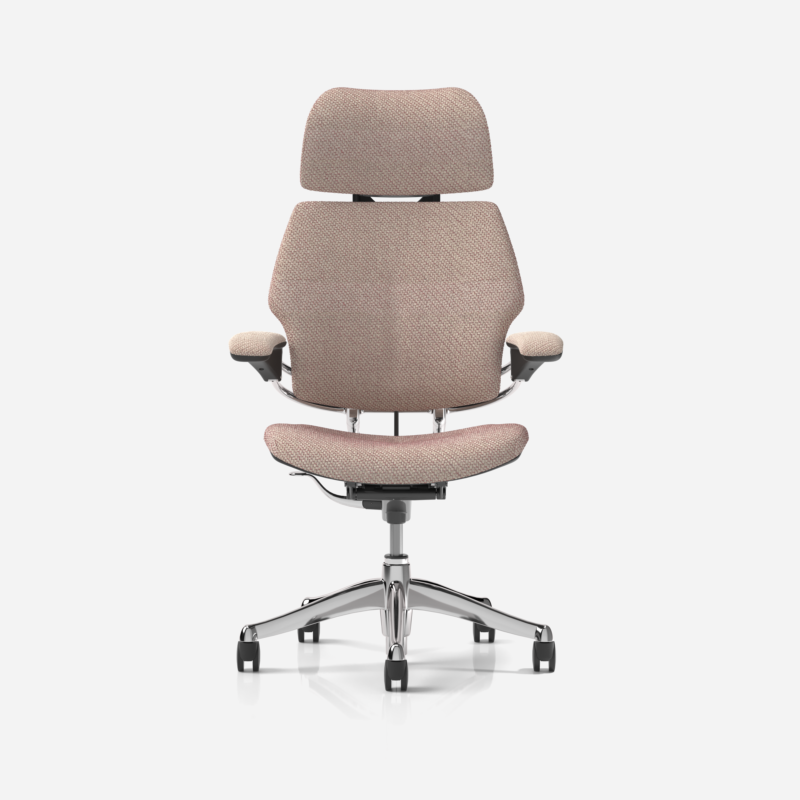
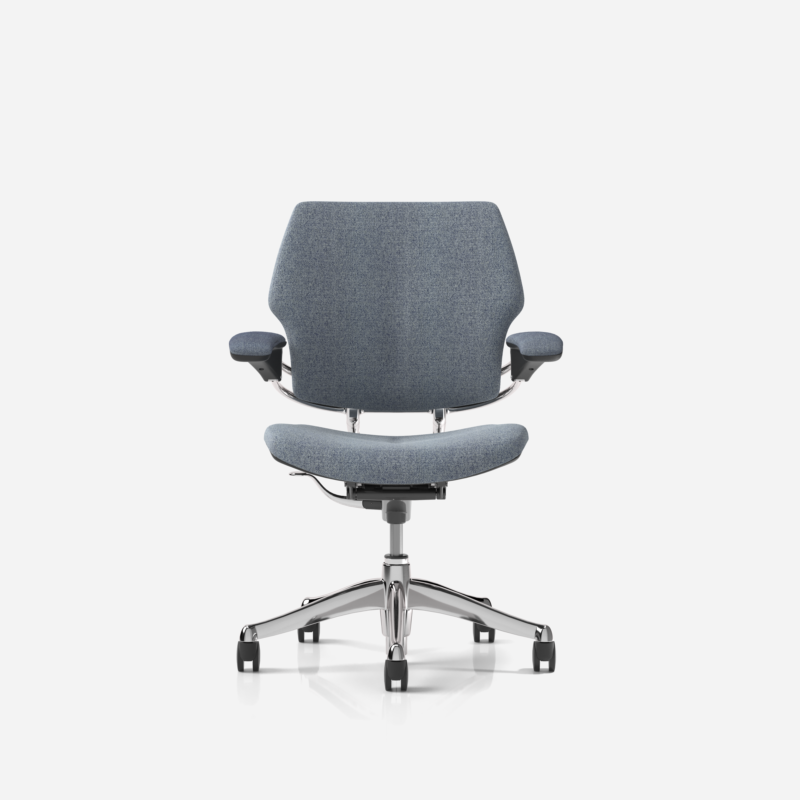
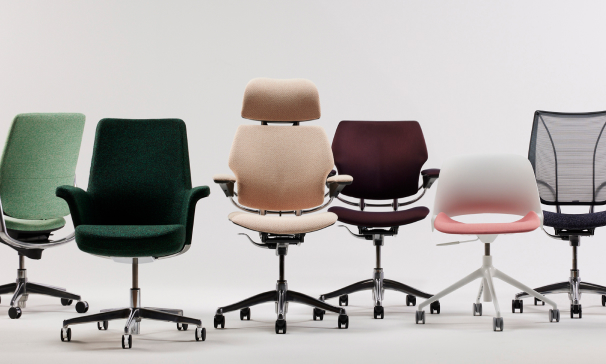
A home office chair is essential for maintaining proper posture and reducing physical strain during seated work. Prolonged sitting in a poorly designed chair can place excess pressure on the spine, restrict circulation, and increase muscle fatigue.
When selecting a chair, look for ergonomic furniture for home office environments that provide responsive lumbar support and encourage movement. A well-designed home office chair should promote spinal alignment, distribute weight evenly, and maintain comfort without relying on frequent manual adjustments.
Read the full guide: How to Select a Great Task Chair: A Guide to Quality, Comfort, and Longevity
Seat cushion design has a direct impact on comfort and pressure distribution when using a home office chair for extended periods. Cushions that are too soft may feel comfortable initially but often compress quickly, reducing support and increasing pressure points during long work sessions.
When evaluating ergonomic home office chair options, look for cushioning materials that balance firmness and responsiveness. High-density foam helps maintain shape and support over time, contributing to more consistent comfort.
Read the full guide: Choosing the Right Office Chair: Why Quality Matters Over Cost
Healthy leg circulation is essential when working long hours at a home office desk. Static sitting positions, poor seat height, or unsupported feet can restrict blood flow, leading to discomfort or numbness.
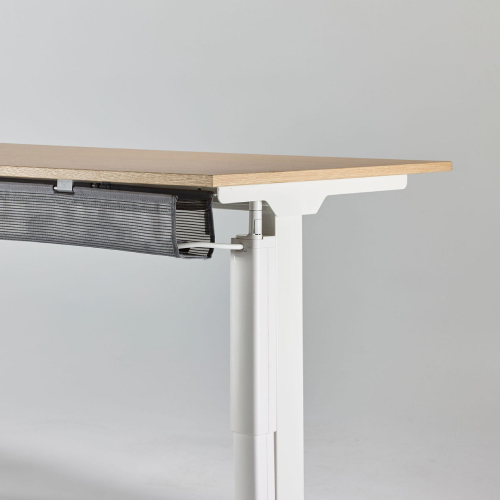
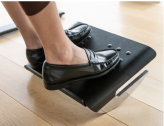
To support circulation, look for work-from-home furniture solutions that allow proper foot placement and open hip angles. Footrests, adjustable seating, and sit-stand desks for home office use can help vary posture throughout the day.
Read the full guide: How to Improve Leg Circulation at Your Desk